The Future Is Now: How Robotics Prepares Kids for Tomorrow’s Jobs
The world of work is changing fast, with robotics and automation becoming important part of many industries. According to a recent study by the World Economic Forum, nearly 85 million jobs are expected to be displaced by machines by 2025, but 97 million new roles that require technological skills will emerge. For kids, learning robotics is more than just a hobby—it’s preparing for the future.
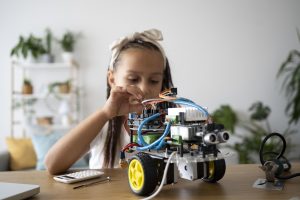
Robotics classes teach children how to think like engineers, combining creativity with logical reasoning. For example, programming a robot to perform specific tasks requires trial and error, critical thinking, and problem-solving—all skills that are in high demand across careers. These hands-on lessons make technology exciting and relatable.
Recent news shows that young people are already making an impact in robotics. From designing robots that help the elderly to creating devices that assist in environmental conservation, kids worldwide are proving that age is not a barrier to innovation. These stories inspire others to dream big and explore.
Beyond career readiness, robotics also encourages teamwork and communication. Many projects require collaboration, mimicking how professionals work together in tech industries. Kids not only build robots but also relationships and social skills.
As robotics becomes an important part of society, introducing children to it early gives them a head start. They’re not just learning about machines—they’re learning how to thrive in a tech-driven world.